Table of Contents
How to Avoid Dry Socket Post-Extraction: Key Tips
Getting a tooth pulled is the hard part now comes the healing. You might be worried about a painful complication called ‘dry socket,’ but the great news is that it’s both uncommon and preventable. Research shows it only affects about 2-5% of simple tooth extractions, and you are in control of avoiding it.
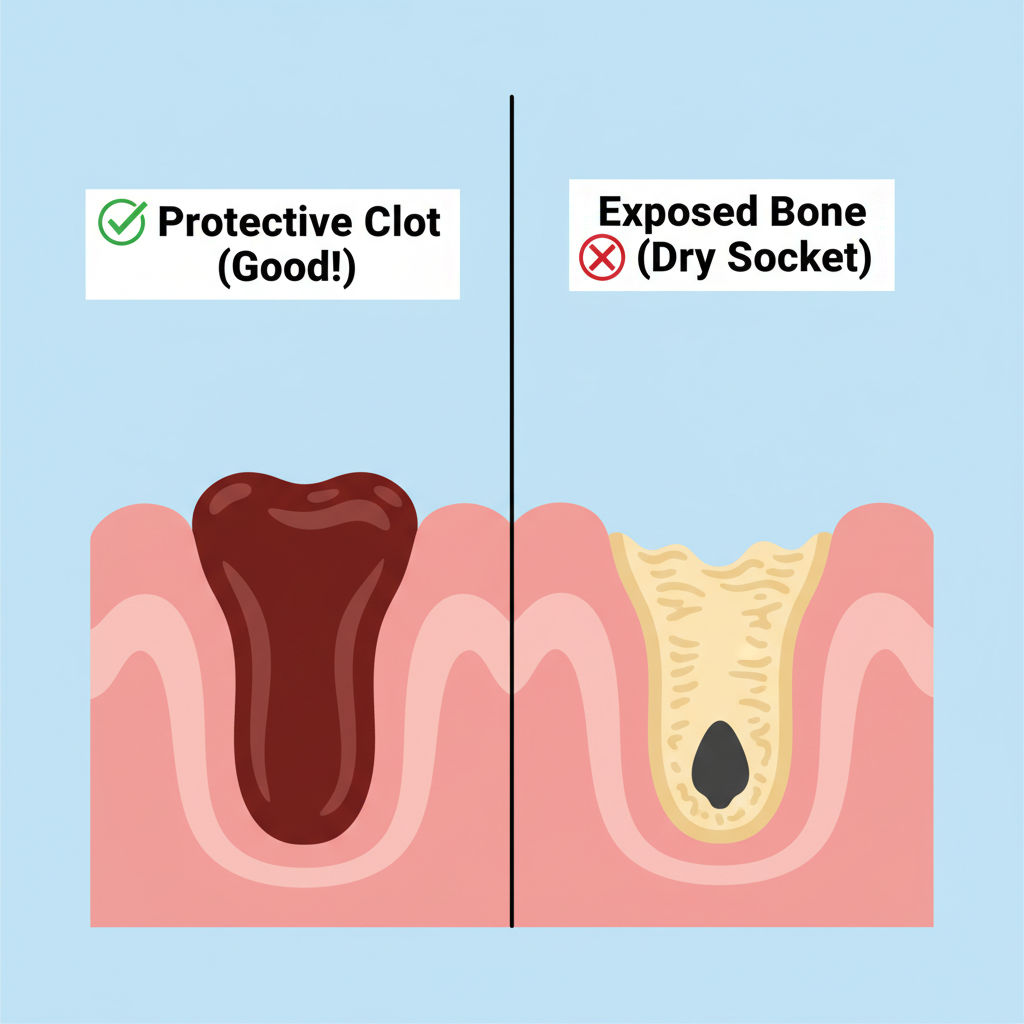
After an extraction, your body forms a blood clot over the empty socket. This clot acts like a natural bandage, protecting the bone and nerves underneath. A dry socket occurs when this protective clot gets dislodged too early, leaving the sensitive area exposed. Therefore, your entire aftercare plan comes down to one job: protecting that clot. This guide provides the simple ‘Dos and Don’ts’ to ensure your recovery is fast, smooth, and comfortable.
The “Don’t” List: Actions to Avoid for the First 72 Hours
Protecting the blood clot is easiest during the first 72 hours, the most critical healing period. The main goal is to prevent any pressure changes or physical disturbances in your mouth. Any “sucking” motion creates a vacuum effect that can pull the protective clot right out of the socket. This is why avoiding straws and smoking is absolutely critical.
Here is your checklist of what to avoid for the first three days:
- Creating Suction: Do not drink through a straw or smoke. Avoid any similar action, like slurping soup directly from a bowl.
- Forceful Spitting or Rinsing: When you need to rinse, be very gentle. Let the water simply fall out of your mouth into the sink instead of spitting.
- Touching the Site: Resist the urge to poke the area with your tongue or fingers. Let your body work in peace.
- Heavy Exercise or Lifting: Strenuous activity increases your blood pressure, which can cause the wound to throb and bleed, potentially dislodging the clot.
What to Eat After Tooth Extraction: Your Safe Food Guide
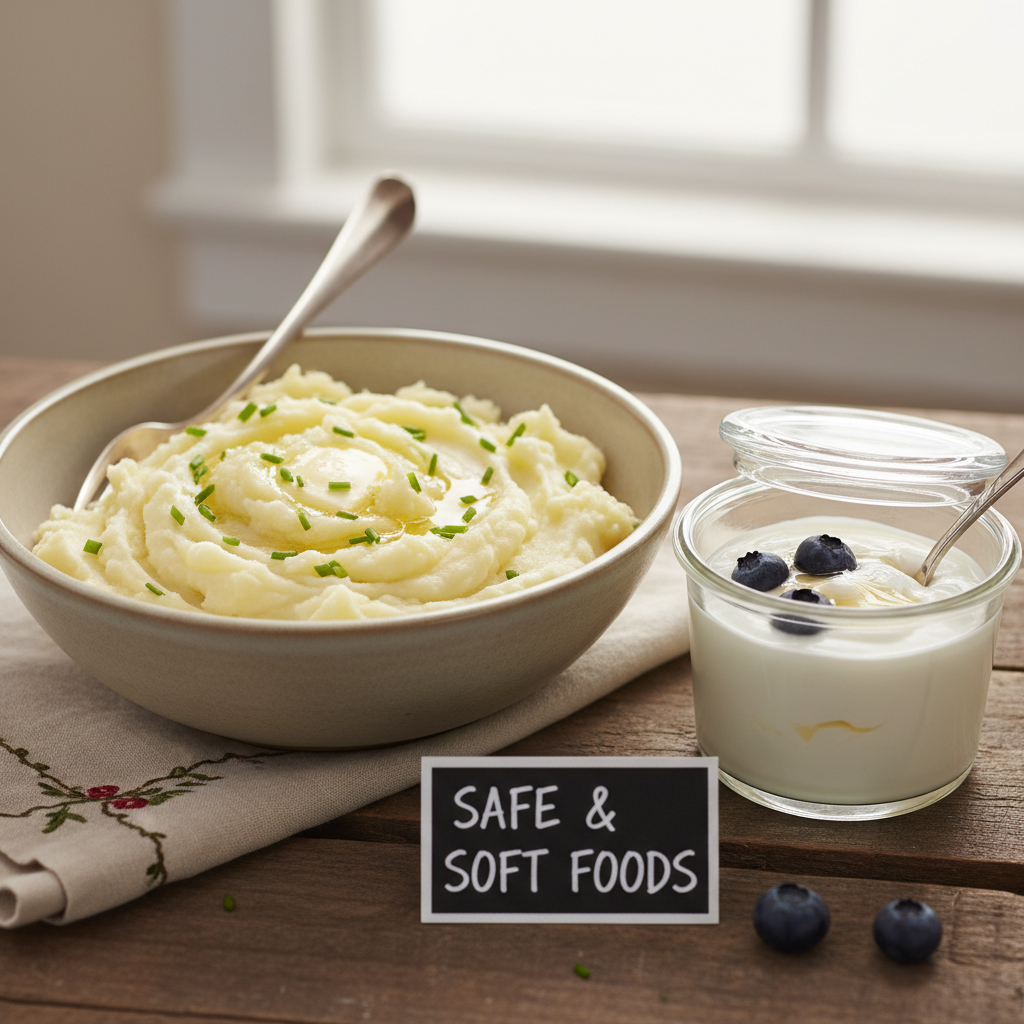
Choosing the right foods is one of the easiest ways to ensure a smooth recovery. For the first few days, think “soft and gentle.” The goal is to nourish your body without needing to chew much. Just as important is temperature stick to cool or lukewarm foods, as anything too hot can interfere with the clot and slow down healing.
- Safe Foods: Yogurt, applesauce, mashed potatoes, smoothies (eaten with a spoon!), scrambled eggs, and lukewarm soups.
- Foods to Avoid: Chips, nuts, seeds, popcorn, crunchy bread, spicy foods, and anything very hot.
Crunchy or crumbly foods are risky because tiny, hard pieces can get lodged in the empty socket, causing pain or infection. Sticking to a soft-food diet gives the healing site the peaceful environment it needs.
| Topic | Description | External Resource |
|---|---|---|
| Dry Socket (Alveolar Osteitis) | Medical overview explaining what a dry socket is, its causes, symptoms, and treatment options after a tooth extraction. | https://en.wikipedia.org/wiki/Alveolar_osteitis |
| Post-Surgery Oral Care | Advice on managing pain, swelling, and healing after dental surgery. | https://www.nhs.uk/conditions/wisdom-tooth-removal/recovery/ |
The “Do” List: How to Gently Care For Your Mouth
Immediately after your extraction, your dentist will likely place a gauze pad over the socket. Bite down with firm, steady pressure for 30 to 60 minutes. This pressure helps stop the bleeding and allows the protective blood clot to form securely.
For the rest of that first day, avoid rinsing your mouth with anything. The newly formed clot is extremely fragile, and any forceful swishing or spitting can wash it away. You can and should still brush your other teeth, but treat the extraction site like a delicate construction zone stay far away from it. When spitting out toothpaste, don’t use force; just lean over the sink and let it fall out.
When to Start Rinsing: Using Salt Water for Gentle Healing
After the initial 24-hour mark, you can begin using a gentle salt water rinse to help keep the area clean and soothe the tissue. To prepare it, mix half a teaspoon of table salt into a glass (about 8 ounces) of warm water.
The technique is critical. Instead of swishing, take a small amount into your mouth and gently tilt your head from side to side, letting the water passively flow over the site for 30 seconds. When you’re finished, remember the golden rule: do not spit. Simply lean over your sink and let the water fall out. Repeating this gentle rinse after meals for the next few days will support a smooth recovery.
Your Healing Timeline: When Does the Risk of Dry Socket End?
The highest risk for developing a dry socket is within the first 72 hours after your procedure. During this time, the blood clot is new and fragile, making it easier to dislodge. Following your aftercare instructions is essential during this window.
Once you pass the three-day mark, the risk begins to drop significantly. By about one week to ten days post-extraction, your gum tissue has started to grow over and protect the sensitive area. At this point, your chances of developing a dry socket become very low.
Dry Socket vs. Normal Healing: How to Spot the Difference
Some discomfort is normal after an extraction. For the first couple of days, expect a dull, aching pain that is manageable with medication and gradually improves each day. This steady improvement is a sign that you are healing correctly.
The pain from a dry socket is different. It’s a distinct type of pain that usually appears suddenly a few days after your procedure. Knowing what are the first signs of dry socket is key to getting timely relief.
Here’s a quick comparison:
- Normal Healing Pain:
- A dull, generalized ache that is manageable.
- Gets noticeably better day by day.
- Possible Dry Socket / Infection:
- Severe, throbbing pain that starts suddenly, often 2 to 4 days after your extraction.
- Pain that radiates from the socket toward your ear, eye, or temple.
- A persistent bad taste or foul smell from your mouth that rinsing doesn’t help.
Trust your body. If your pain suddenly worsens instead of improving, or if you recognize any of the warning signs above, call your dentist’s office immediately. Don’t try to wait it out; they can provide treatment that brings fast relief.
Your Quick-Reference Checklist for a Fast Recovery
By understanding how to protect the healing site, you can take control of your recovery. This simple aftercare plan is all you need to prevent dry socket and heal properly.
For easy reference, here is your cheat sheet for prevention:
- NO straws or smoking for at least 72 hours.
- EAT soft foods and avoid very hot items.
- RINSE gently with salt water, but only after 24 hours.
- REST and avoid heavy activity for the first few days.
- CALL your dentist if pain gets worse instead of better.
Following these tips puts you in charge of your healing. Every soft meal and gentle action is a step you are taking to ensure a faster, more comfortable recovery.
FAQs
1. How can I prevent a dry socket after a tooth extraction?
The best way to ensure dry socket prevention is to protect the blood clot that forms in the extraction site. Avoid smoking, drinking through straws, forceful rinsing, and heavy physical activity for at least 72 hours. Following proper tooth extraction aftercare and eating soft foods will also support faster healing.
2. How long does it take to heal after a tooth extraction?
Most people experience noticeable improvement within 3 to 4 days, while full tooth extraction recovery usually takes 1 to 2 weeks. During this time, the gum tissue gradually covers the socket and protects the bone underneath.
3. What does a dry socket feel like?
A dry socket typically causes severe, throbbing pain that starts 2–4 days after tooth removal. The pain may spread to the ear, jaw, or temple and may be accompanied by a bad taste or unpleasant odor in the mouth.
4. Can food get stuck in the extraction site?
Yes, small particles from crunchy foods like chips, seeds, or popcorn can get trapped in the socket. That’s why dentists recommend a soft food diet after tooth extraction, including foods like yogurt, mashed potatoes, smoothies, and scrambled eggs.
5. When can I start rinsing my mouth after tooth extraction?
You should wait 24 hours before rinsing. After that, you can use a gentle salt water rinse to keep the area clean and support the healing process. Avoid forceful swishing and let the water fall out of your mouth instead of spitting.
6. When should I contact a dentist after a tooth extraction?
You should call your dentist if you experience increasing pain instead of improvement, swelling, fever, or a foul taste that won’t go away. These could be signs of dry socket or infection after tooth extraction. At Learning Hub, we always recommend seeking professional dental care quickly to prevent complications and ensure proper healing.