How to Fix a Cracked Tooth Naturally
We often imagine our teeth are like lifeless stones that can’t heal once chipped or cracked. Yet, anyone who has felt that sharp, lightning-bolt “zing” when sipping ice water knows that teeth are very much alive and reactive. While modern dentistry is essential for major damage, your body possesses a fascinating biological toolkit for handling smaller structural weaknesses. This process doesn’t involve magic; it is about understanding how to support your body’s innate ability to maintain its defenses.
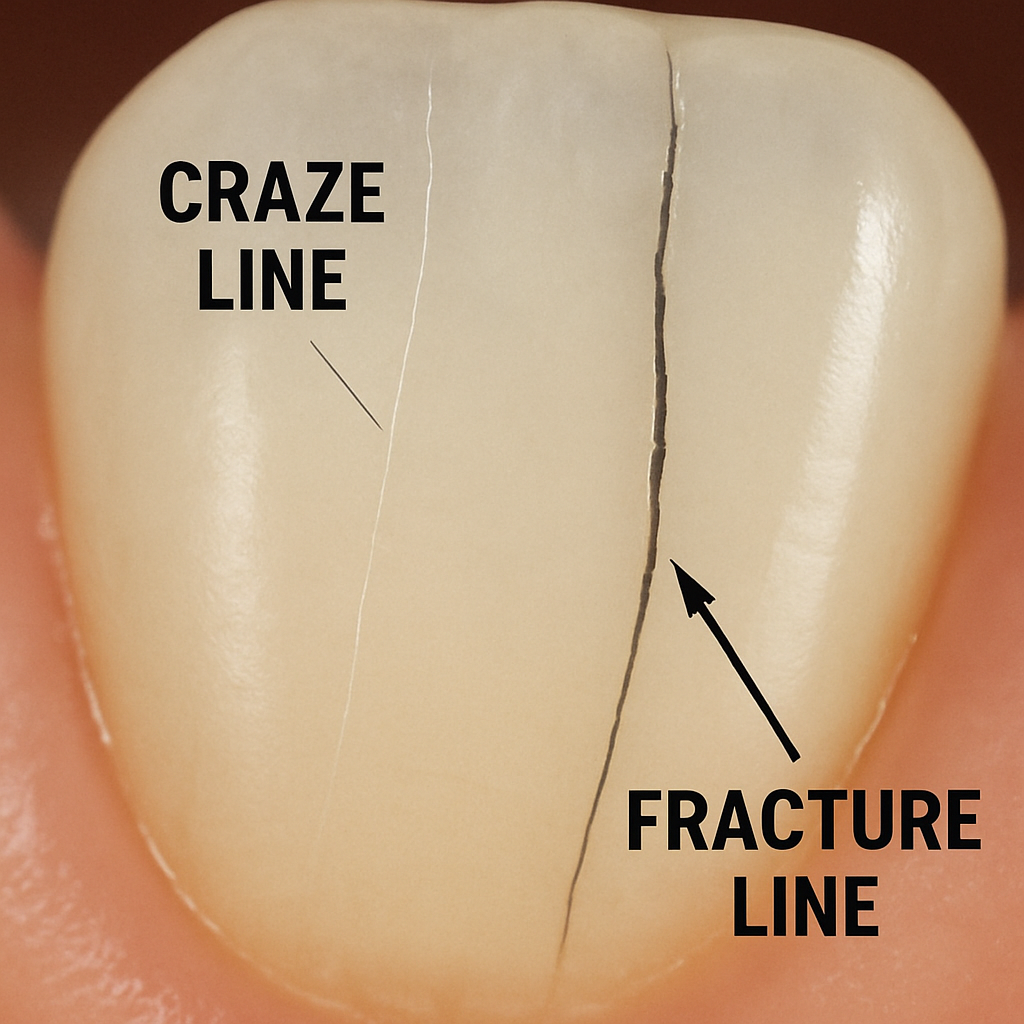
Think of your tooth enamel like the shingles on a roof. Over time, wear and tear can cause hairline fractures known as craze lines. According to dental health standards, these surface-level imperfections don’t always require a drill. Instead, they can often be strengthened through remineralization—a natural process where your saliva acts like a liquid repair crew, depositing calcium and phosphates back into the weakened enamel to patch microscopic gaps.
Distinguishing between a surface scratch and a structural emergency is vital. Natural tooth repair is powerful for strengthening enamel and soothing sensitivity, but a deep fracture that physically splits the tooth requires professional mechanical support. By learning how to fix a cracked tooth naturally within these safety limits, you can take control of your oral health before a minor issue becomes a major expense.
Craze Lines vs. Deep Fractures: Mapping the Limits of Natural Repair
Stand in front of a mirror with a flashlight, and you might see tiny vertical lines running down your front teeth. These are usually “craze lines”—superficial scratches in the outer enamel layer, similar to weathered glaze on an old ceramic plate. While these surface defects can collect stains, they rarely cause pain because they don’t reach the sensitive inner dentin. A true fracture, however, behaves like a chip in a car windshield. It creates a structural weakness where chewing pressure forces the crack to spread deeper, eventually threatening the integrity of the whole tooth.
Your body works wonders at filling in microscopic surface pores, but it cannot glue a split tooth back together. To determine if you have a candidate for natural strengthening or need professional help, ask yourself these diagnostic questions:
- Does it hurt on release? Sharp pain specifically when you stop biting down often indicates a shifting fracture.
- Does it catch? If your fingernail slightly gets stuck in the groove, the damage is likely beyond surface repair.
- Does the ache linger? Sensitivity that lasts for minutes, rather than seconds, suggests deep nerve involvement.
If your symptoms point to simple surface wear, you are ready to optimize your mouth’s built-in repair system.
The Saliva Bank Account: How Your Mouth Self-Repairs
Your teeth are constantly trading minerals, acting much like a savings account that determines their structural integrity. Every time you eat sugars or starches, acids strip away calcium and phosphate for tooth repair—a “withdrawal” that weakens the enamel. Fortunately, your saliva serves as the deposit mechanism, washing over your teeth to return these essential building blocks to the surface. If you ensure you are making more mineral deposits than acidic withdrawals, your teeth can actually harden over time, filling in those microscopic craze lines naturally before they deepen into problematic cracks.
The environment inside your mouth determines whether those crucial repairs actually stick. For minerals to successfully bond to the enamel, you must maintain proper mouth pH balance and enamel health. When your mouth is acidic—typically for about 30 minutes after a meal—the repair process halts completely, and erosion begins. By neutralizing this acid quickly with water or specific alkaline foods, you unlock the chemical state required for your body’s natural patching materials to settle into surface imperfections.
Hydroxyapatite: The ‘Natural’ Filling for Micro-Cracks
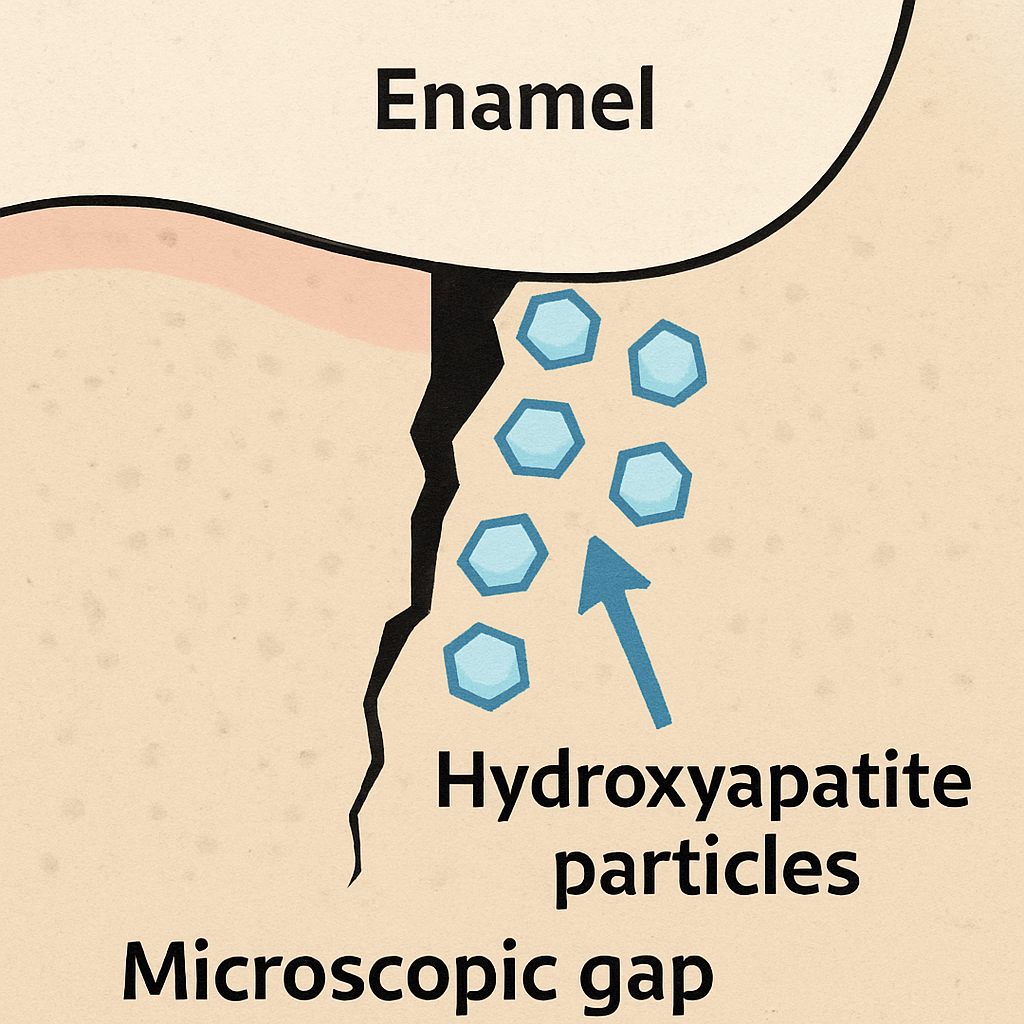
While saliva does the heavy lifting daily, sometimes your teeth need a more direct supply of building materials. Enter hydroxyapatite—a mineral that makes up roughly 97% of your tooth enamel. Think of this compound as “liquid stone” that mimics your body’s natural structure. Unlike traditional fluoride, which creates a protective shield over the tooth, synthetic hydroxyapatite actually bonds to the surface, filling in microscopic fissures like grout settling between tiles.
This bonding process is particularly effective for soothing that sharp “zing” you feel from cold drinks. When you have micro-cracks, the inner nerves are exposed to the elements. Using a remineralizing toothpaste with hydroxyapatite physically plugs the open pathways to these nerves. Over time, regular application creates a smoother surface that resists future fractures, essentially patching the armor before a true break occurs.
Not all products are created equal, so check these three criteria when shopping for natural dental care:
- Particle Size: Look for “Nano-hydroxyapatite” (nHAp), as these smaller particles penetrate tiny cracks more effectively.
- Concentration: The mineral should be listed within the first five ingredients on the label to be effective.
- Abrasive Level: Avoid “whitening” grits like charcoal, which can inadvertently widen existing surface cracks.
While topical patching helps the exterior, true strength requires a solid internal foundation.
The Vitamin D3 and K2 Synergy: Building Teeth from the Inside Out
Simply flooding your system with calcium often fails because the minerals don’t automatically know where to go, sometimes ending up in your arteries instead of your smile. The synergy of vitamins is critical here: while Vitamin D3 acts as the gatekeeper that absorbs calcium and phosphate for tooth repair, Vitamin K2 serves as the traffic controller that directs those minerals specifically into your bones and teeth. Without adequate K2, even high doses of calcium won’t effectively remineralize the dentin layer beneath your enamel, leaving the internal structure of your tooth vulnerable to further stress.
Strengthening the jawbone and the tooth’s root system is crucial because a crack often spreads when a tooth flexes too much under pressure. By incorporating dietary supplements for dental bone health—specifically those containing high-quality fats like grass-fed butter or fermented foods rich in K2—you solidify the underlying foundation to minimize this microscopic movement. Once you have reinforced the internal structure, your next focus must be protecting the external environment from the daily acidity that threatens to erode your hard work.
Oil Pulling and pH Management: Creating a Healing Environment
Even the strongest internal structure will weaken if your mouth is constantly acidic, a state that widens microscopic cracks similar to rust eating through metal. To stop this erosion, you can use oil pulling, a technique that acts as a magnet for bacteria. As you swish fat-rich oil, it mixes with saliva to create a process called saponification—essentially turning the oil into a mild, soapy cleanser that traps acidity and bacteria so they can be swept away.
This habit also offers relief for sensitivity by coating your dentin tubules, the tiny, microscopic channels that act like open windows transmitting cold or hot sensations directly to your nerves. Sealing these channels makes your tooth less reactive to daily triggers. Use this routine to maximize oil pulling for dental sensitivity:
- Select your oil: Use one tablespoon of unrefined coconut oil for its natural antimicrobial properties.
- Swish gently: Push and pull the liquid through your teeth for 15 to 20 minutes without swallowing.
- Disposal: Spit the waste into a trash can, as the oil hardens when cool and will clog sink pipes.
- Rinse well: Follow immediately with warm saltwater to neutralize the pH before brushing.
While managing the environment protects the tooth structure, you may still need targeted help for the ache itself.
Herbal First Aid: Managing Pain and Inflammation Naturally
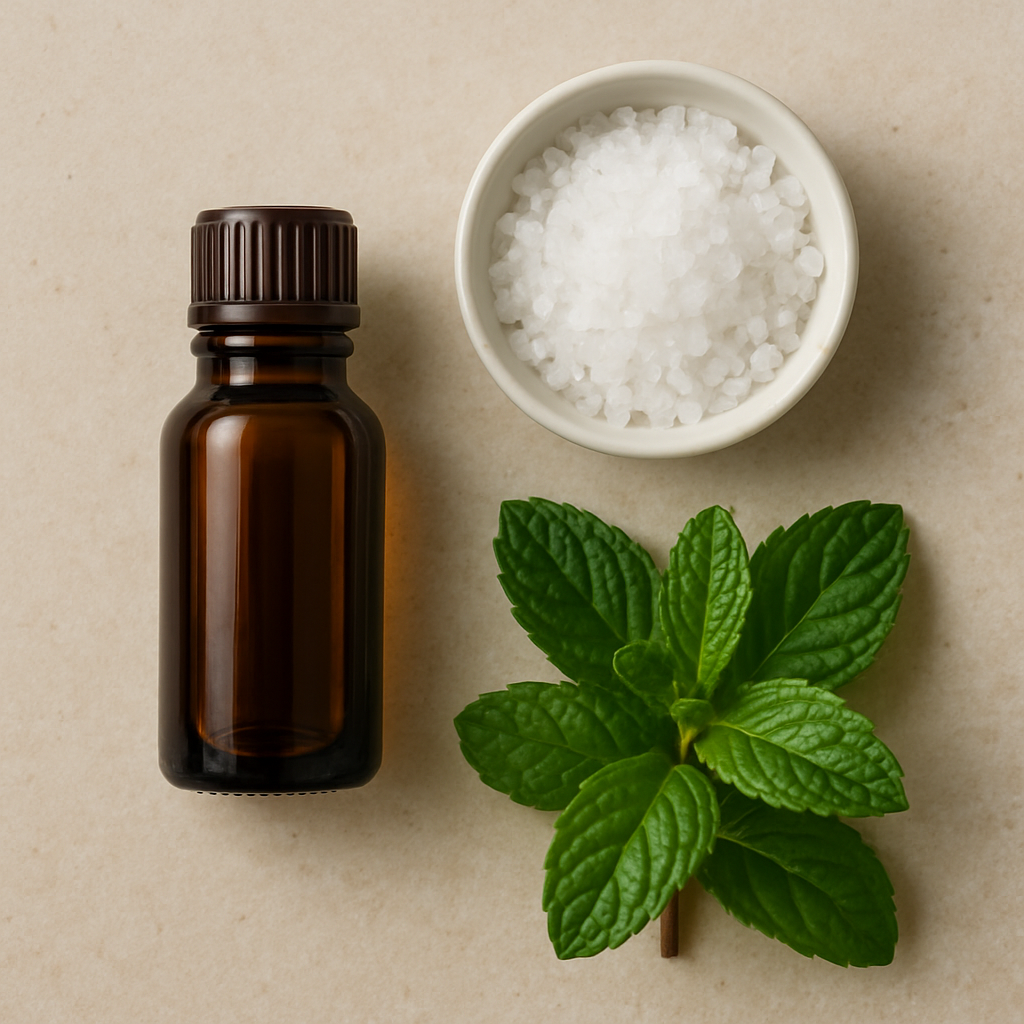
When a clean environment isn’t enough to stop the throbbing, nature offers a potent anesthetic in the form of clove oil. This oil contains Eugenol, a compound dentists actually use in temporary fillings to sedate angry nerves. Because it is potent, applying it directly can irritate delicate gums. To use clove oil for toothache relief safely, mix two drops with a teaspoon of carrier oil (like olive oil), then dab it onto the crack with a cotton swab for targeted numbness.
While cloves handle pain, you must also reduce pressure from swelling. Saltwater uses osmosis to draw excess fluid out of inflamed tissues, similar to draining a blister. Rotate these herbal rinses for gum inflammation to support healing:
- Warm Saline: Dissolve 1 tsp salt in warm water to reduce fluid buildup.
- Peppermint Tea: Rinse with cool tea to soothe throbbing heat.
- Turmeric Paste: Apply to the gumline to lower inflammation levels.
These methods offer at-home relief for fractured tooth pain, yet they cannot stop the damage caused by grinding your teeth at night.
Protecting Your Progress: Defeating the ‘Grind’ of Bruxism
Even the best herbal remedies fail if you continue hammering your teeth while you sleep. Many people suffer from Bruxism—unconscious teeth grinding—which acts like a jackhammer on fragile enamel, often revealing itself as a dull morning headache or sore jaw. Since stress tightens these muscles, adding magnesium to your evening routine can act as a natural relaxant to prevent tooth damage from bruxism. Think of this mineral as a “power down” switch for your jaw, stopping the nightly pressure that turns hairline fractures into deep splits.
While magnesium helps internally, you sometimes need a physical shield to stop food from wedging a crack open. Drugstores sell a temporary tooth filling kit at home that works like spackle on a wall, sealing the area from temperature shocks while you heal. This soft material buys you time, but it is not permanent; if the filling falls out repeatedly or pain persists, you have likely reached the limit of what natural care can repair.
When Natural Isn’t Enough: Identifying the Red Line
Even the strongest natural regimen has physical limits. While surface cracks can be managed, a fracture reaching the soft inner pulp allows bacteria to invade the tooth’s nerve center. This infection, known as Pulpitis, creates internal pressure that nutrition simply cannot fix. At this stage, choosing dental bonding versus holistic alternatives becomes necessary for structural survival to seal the breach before the infection spreads.
If bacteria travel down the root, they form a Dental Abscess, a serious pocket of infection. Watch for these signs of a dental abscess from a crack that demand immediate professional care:
- Fever or chills
- Swelling in the gums or face
- Constant, rhythmic throbbing pain
- Extreme sensitivity to hot liquids
- A salty taste from fluid release
Once you are safely in the clear, you can focus on maintenance with our 30-Day Smile Restoration Plan.
Your 30-Day Smile Restoration Plan: Actionable Steps for Success
You’ve moved from worrying about a fragile smile to understanding how to refill your dental “bank account.” While deep fractures always need professional help, you now have the tools to reinforce your enamel against surface weaknesses. Start by integrating foods to strengthen tooth enamel into every meal to support your body’s natural repair kit.
- Week 1: Stop the damage by switching to soft foods and using saltwater rinses.
- Week 2: Add Vitamin K2 and D3 to direct calcium where it’s needed most.
- Week 3: Track success by noting reduced sensitivity to cold or hot drinks.
- Week 4: Enter “Maintenance Mode” with a low-sugar diet to prevent future cracks.
Learning how to fix a cracked tooth naturally transforms your perspective from helpless to proactive. Your teeth are living tissue, not just stone. If the “zing” of cold water fades, your repair efforts are working. Trust this process, but keep a dentist’s number handy for structural safety.


Leave a Reply