Table of Contents
How to Prevent Dry Socket After Tooth Removal
Congratulations on getting through your tooth removal! Now, the focus shifts to healing. While the term “dry socket” can sound intimidating, dentists agree it is highly preventable with just a few simple precautions during the first crucial days after your procedure.
Your body’s first healing step is to form a blood clot in the empty socket. This clot acts as a natural, protective bandage, shielding the sensitive bone and nerve endings underneath while creating a safe space for new tissue to grow. Protecting this clot is the single most important part of your recovery.
Following your post-operative instructions is the roadmap to a quick and comfortable recovery. These simple “Dos and Don’ts”—from what to eat to how to clean your mouth—will help you prevent complications.
What Exactly is a Dry Socket and Why Does it Hurt?
A dry socket occurs when the protective blood clot gets dislodged or dissolves before the wound has healed. This leaves the socket “dry,” exposing the underlying jawbone and sensitive nerve endings directly to air, food, and fluids. This raw exposure is what causes the signature, intense, throbbing pain that is far more severe than normal post-extraction soreness.
A dry socket isn’t an infection; it’s a complication in the healing process. The great news is that understanding what causes it is the first step toward prevention. Since the entire problem stems from losing that blood clot, your mission for the next few days is simple: protect it at all costs.
The First 48 Hours: Your Blueprint for Protecting the Blood Clot
The highest risk of developing a dry socket is within the first two days after your procedure. During this critical window, the blood clot is still very fragile. Your sole focus should be on creating a gentle, pressure-free environment in your mouth to allow it to stabilize.
Think about the force needed to suck a thick milkshake through a straw. That same pulling suction is the number one enemy of your healing clot. Common actions like spitting, smoking, or even vigorous rinsing can create this negative pressure and instantly pull the clot out of place.
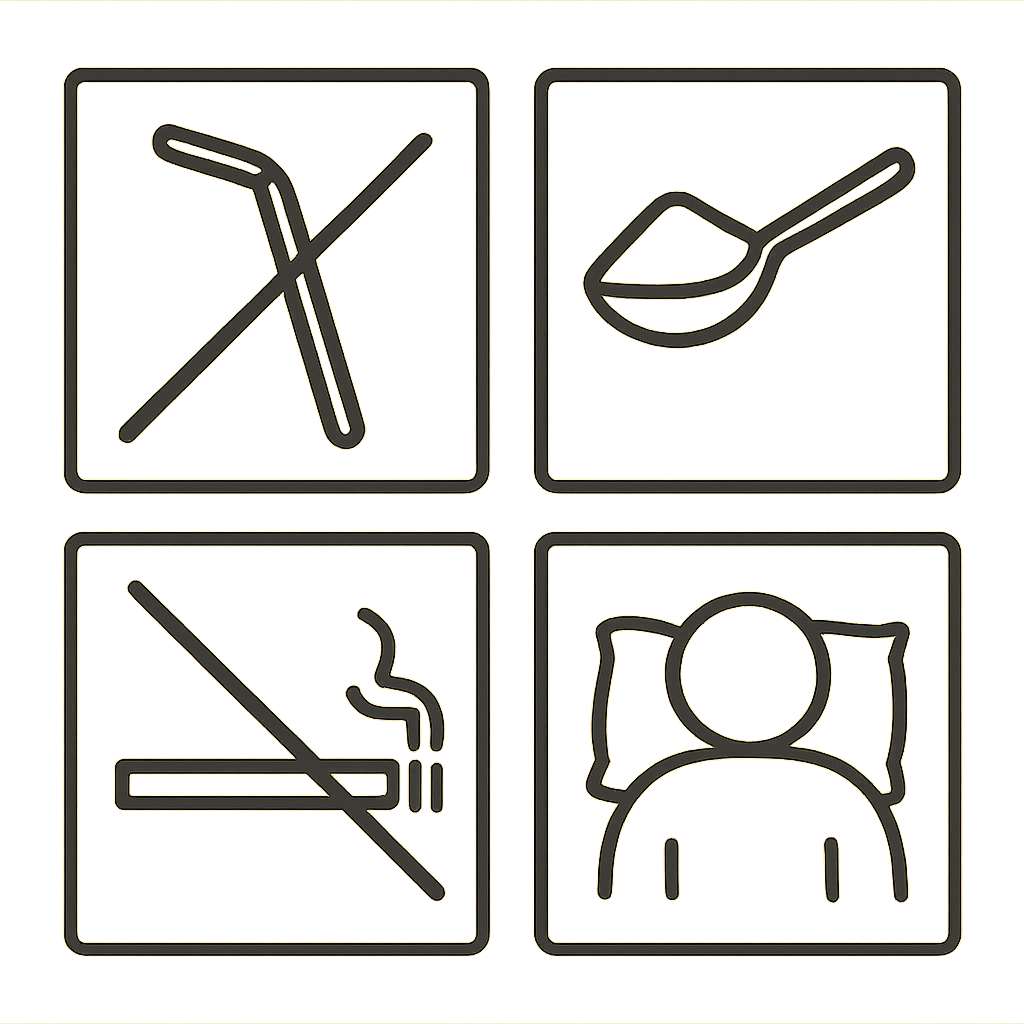
To keep the socket safe and promote fast healing, follow these four rules without exception for the first 48 hours:
- No Spitting, Swishing, or Straws. Let liquids drool from your mouth into the sink.
- Eat Only Soft, Cool Foods. Think yogurt, applesauce, or lukewarm soup.
- Avoid All Smoking & Vaping. The suction is a primary cause of dry socket, and the chemicals disrupt healing.
- Rest and Keep Your Head Elevated. This minimizes bleeding and swelling.
How to Eat and Drink Safely After Your Tooth Extraction
Figuring out what to eat after tooth extraction can feel daunting, but the rule is simple: stick to soft foods that are cool or lukewarm. For the first few days, your diet will be key to avoiding dry socket. Your goal is to nourish your body without disrupting the healing socket.
Choosing the right texture is your first line of defense. Hard, crunchy, or chewy foods can physically dislodge the fragile blood clot, while small, sharp pieces from things like chips or nuts can get lodged in the socket. Instead, focus on these safe foods:
- Yogurt, pudding, and ice cream
- Applesauce and smoothies (eaten with a spoon)
- Mashed potatoes
- Lukewarm, smooth soups
- Scrambled eggs
Equally important is the temperature of what you consume. Hot foods and drinks can increase blood flow to the area or even help dissolve the clot. Similarly, spicy foods can cause significant irritation. Let soups and other warm items cool down before eating.
Finally, remember to sip drinks directly from a glass. Using a straw creates powerful suction that can easily pull the protective clot out of place. By being mindful of not only what you eat but also how you eat and drink, you give your body the best chance to heal.
Keeping Your Mouth Clean Without Harming the Socket
The instinct to keep your mouth clean after eating is a good one, but for now, gentleness is your top priority. You should continue to brush your other teeth as you normally would, but be extremely careful to avoid the extraction site and the surrounding gum tissue. For the first few days, your toothbrush shouldn’t go anywhere near the healing socket.
For the first full 24 hours, avoid rinsing your mouth at all. Any liquid pressure—even from plain water—can dislodge the clot before it has a chance to stabilize. After that first day, you can begin gentle salt water rinses. Simply mix a teaspoon of salt in a glass of warm water, take a small amount into your mouth, and gently tilt your head side to side to let the water flow over the site. When you’re done, let the water fall out of your mouth into the sink without spitting.
The gauze your dentist gave you is meant to help stop bleeding by applying pressure, not to act as a long-term plug. Once active bleeding has stopped, the gauze has done its job and should be removed.
The Hidden Risks: Smoking, Sneezing, and Strenuous Activity
If you smoke or vape, avoiding it after your extraction is critical. The suction from inhaling can easily dislodge the clot. Furthermore, the hundreds of chemicals in smoke contaminate the site and dramatically slow your body’s ability to heal. Packing gauze over the socket while smoking offers no real protection against these risks.
Sudden internal pressure is another enemy of the healing clot. A powerful sneeze or a forceful cough creates a burst of force that can pop it loose. If you feel a sneeze coming on, try to keep your mouth open. This allows the pressure to escape safely instead of building up.
It’s also vital to rest. For the first few days, avoid strenuous exercise, heavy lifting, or even bending over quickly. These activities spike your blood pressure, which can create a surge from within the socket that pushes the clot out. This is your permission to take it easy.
Is This Pain Normal? How to Spot the Warning Signs of Dry Socket
It’s normal to have some soreness after a tooth is removed, but this pain should gradually get better each day. Dry socket pain is different. It’s a severe, throbbing ache that usually begins 2 to 4 days after your procedure, just when you thought you were on the mend. This pain can be intense enough to radiate from the socket toward your ear or eye and often isn’t relieved by standard painkillers.
A quick look can also provide major clues. A healthy socket should be filled with a dark, reddish-brown blood clot. In a dry socket, you would see a noticeably empty hole where the tooth was, and you might even glimpse the whitish color of bone deep inside. This is often accompanied by a new, foul taste or bad breath.
If you suspect a problem, compare your experience to these common dry socket symptoms:
- Severe, throbbing pain that starts 2-4 days after extraction.
- Pain that radiates from the socket to your ear, eye, or neck.
- A visible, empty-looking socket where the dark clot should be.
- A persistent bad taste or foul odor from the site.
When to Call Your Dentist: Your Action Plan for Problems
Normal post-extraction soreness should improve daily, but the symptoms of a dry socket are distinct and severe. Experiencing intense, throbbing pain that begins a few days after your procedure, especially if accompanied by a bad taste or a visibly empty socket, is a clear signal to act.
Don’t wait it out or assume it will get better on its own. If you recognize the warning signs discussed here, call your dentist or oral surgeon immediately. Prompt professional care is the only way to treat a dry socket and get relief. By following your aftercare instructions carefully and knowing when to seek help, you are taking full control of your recovery.
Frequently Asked Questions (FAQs)
1. How can I prevent dry socket after tooth removal?
To prevent dry socket, avoid smoking, drinking through straws, forceful rinsing, and heavy physical activity for at least 48–72 hours. Following proper tooth extraction aftercare and eating soft foods can help protect the blood clot and support healing.
2. How long should I keep gauze in after a tooth extraction?
Most dentists recommend keeping gauze in place for 30–60 minutes after the extraction to control bleeding. If bleeding continues, replace the gauze and bite gently until it slows down.
3. When can I rinse my mouth after tooth extraction?
You should wait 24 hours before rinsing your mouth. After that, you can start using a gentle saltwater rinse to keep the area clean and support recovery.
4. What foods help prevent dry socket?
Soft foods like yogurt, mashed potatoes, applesauce, scrambled eggs, and smoothies are ideal. A soft food diet after tooth extraction prevents irritation and reduces the risk of disturbing the healing clot.
5. How long does the risk of dry socket last?
The risk is highest during the first 72 hours after tooth extraction. After about 7–10 days, the gum tissue usually begins covering the socket, significantly lowering the risk.
6. When should I see a dentist for possible dry socket?
You should contact a dentist if severe pain appears 2–4 days after the extraction, especially if there is bad breath, a foul taste, or a visible empty socket. According to guidance shared by Learning Hub, early dental treatment can quickly relieve symptoms and prevent further complications.
Trusted External Resources
| Topic | Description | External Link |
|---|---|---|
| Dry Socket (Alveolar Osteitis) | Medical explanation of dry socket causes, symptoms, and treatment. | https://en.wikipedia.org/wiki/Alveolar_osteitis |